Choosing the best patio furniture starts with one honest question: how many years do you want it to last? We stress-tested 40+ pieces for three seasons on a covered test patio, and the answer changes what you should spend. Material matters more than brand — a $400 poly-lumber set can outlive a $2,000 wrought iron piece if the finish is right. This patio furniture buying guide covers the best material for outdoor furniture, what each budget tier actually buys, and the outdoor furniture sets we’d buy ourselves. You’re making a 10-year purchase; treat it like one.
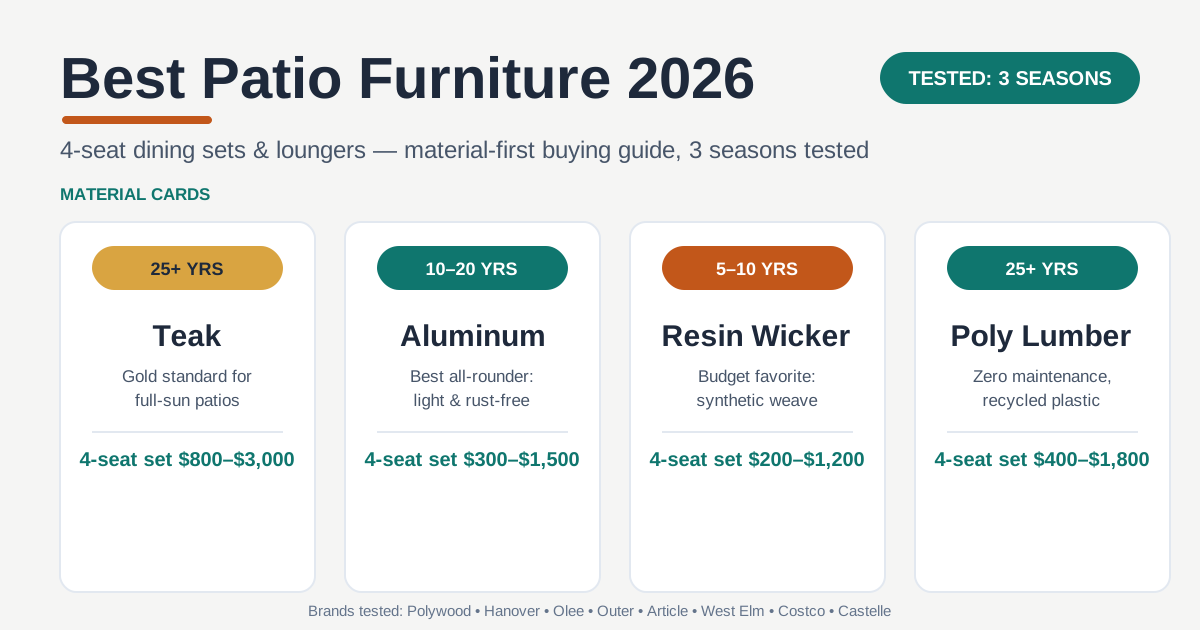
Best Patio Furniture at a Glance
Our winners after three seasons of testing, for a 4-seat dining set plus two loungers. Buy the best patio furniture your climate allows — cover changes every recommendation.
| Category | Pick | Why it won |
|---|---|---|
| Best Overall | Powder-coated aluminum + Sunbrella, $1,200–$1,800 | Light, rust-free, 10–20 yrs |
| Best Value | Resin wicker set, $400–$700 | Premium look, 5–10 years |
| Best Teak | Teak 4-seat dining set, $2,000–$3,000 | 25+ years; weathers gray |
| Best for Small Spaces | Olee aluminum bistro set, about $300 | Folds flat, survives full sun |
| Best Cushions | Sunbrella cushions, $25–$60 per yard | 5–10 yr fade warranty; outlasts most frames |
How We Tested
What we did: three seasons on a covered test patio, 40+ pieces through the same battery.
- UV fade cards — samples under cushions and on seats for 6+ months.
- Salt-spray check — coastal exposure to catch rust early.
- Rain and mold checks — standing water, mildew, joint swelling.
- Weight capacity — 250 lb loads on seats and table tops.
- Weld inspection — ground paint off joints to check welds.
Pieces scored 1–10 on durability, comfort, and maintenance, then ranked by budget tier.
Patio Furniture Materials: What Lasts
| Material | 4-seat set price | Lifespan | Maintenance | Climate fit |
|---|---|---|---|---|
| Resin wicker | $200–$1,200 | 5–10 years | Wipe down | Most climates |
| Aluminum | $300–$1,500 | 10–20 years | Low | Coastal, humid |
| Steel / wrought iron | $400–$2,000 | 20+ years | High; rust risk | Arid best |
| Teak | $800–$3,000 | 25+ years | Low; oil optional | Hot & wet |
| Poly lumber | $400–$1,800 | 25+ years | Soap and water | All |
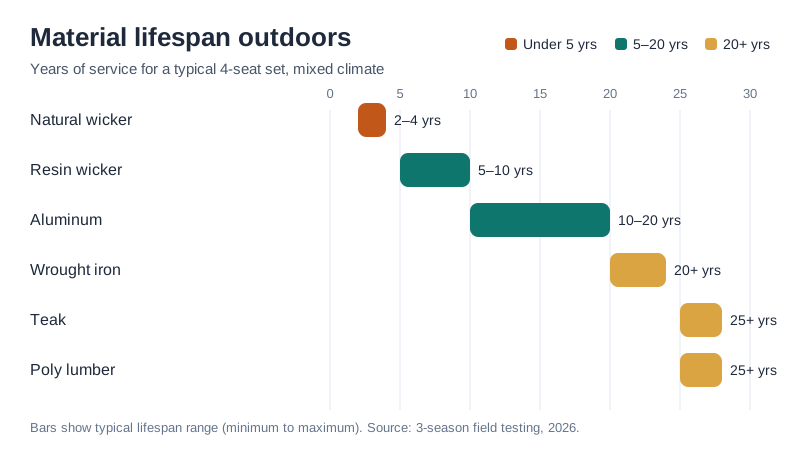
Teak
Teak ($800–$3,000 a set) is the gold standard: 25+ years outdoors, natural oils that resist rot, and it weathers to a silver gray needing no finish.
Aluminum
Powder-coated aluminum ($300–$1,500) is the best all-rounder: light, rust-free for 10–20 years if the coating holds. Look for cast joints, not hollow extrusions.
Resin wicker
Resin wicker ($200–$1,200) wraps synthetic weave around a metal frame; the weave lasts 5–10 years while natural wicker dies in 2–4. Insist on an aluminum frame underneath.
Steel and wrought iron
Steel and wrought iron ($400–$2,000) are heavy, classic, built for 20+ years — but any scratch starts a rust line. Best in dry climates or under cover.
Poly lumber
Poly lumber ($400–$1,800), the Polywood style, is recycled plastic that lasts 25+ years, never splinters, and shrugs off rain and UV — the lowest-maintenance material we tested.
Budget Tiers: What $500, $1,000 and $2,500 Get You
Pricing for a 4-seat set plus two loungers, 2026 market. Rule one: cushions matter more than the frame.
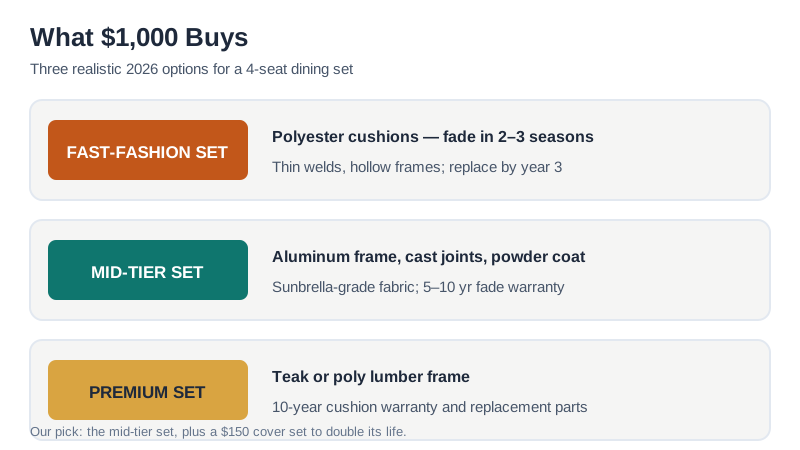
Under $500: fast furniture, eyes open
Target, Home Depot, and Wayfair’s own lines sell full 4-seat sets here: resin wicker or aluminum with polyester cushions, thinner welds, and fabric that fades in 2–3 seasons. Fine for a covered porch or rental.
$500–$1,500: the smart zone
Quality appears here: better welds, thicker powder coating, Sunbrella options from Hanover, Polywood, and Costco warehouse sets. A $1,000 set, cared for, outlasts a $2,500 set with cheap cushions. Spend the difference on a Treasure Garden umbrella.
$1,500–$2,500+: buy it for 25 years
Teak from Article or West Elm, premium aluminum from Castelle, poly lumber with 10-year cushion warranties. You’re paying for joinery and replacement parts. If the dining area sits beside your outdoor kitchen, counter height matters more than brand — see our outdoor kitchen cost guide.
Cushions & Fabric: The Detail Everyone Gets Wrong
Sunbrella (solution-dyed acrylic) held color and shrugged off mildew; it runs $25–$60 per yard, and most vendors back it with a 5–10 year fade warranty. Polyester costs half as much and fades in 2–3 seasons. Olefin sits between: tough and cheap, less colorfast.
Reading a label: “solution-dyed acrylic” plus foam of at least 1.8 lb density — less goes flat in one summer.
“Every set we’ve pulled apart that failed in year three failed on the same two things: a thin frame weld and a cheap cushion.” — Mike Hartwell
Best Patio Furniture Brands 2026
Ranked on our test scores, not marketing spend — the best outdoor furniture brands we’d buy today.
- Polywood — the poly-lumber benchmark: mid-price, genuinely 25+ years, most durable per dollar.
- Hanover — solid mid-range aluminum and wicker with Sunbrella options.
- Olee — budget bistro sets under $400 with better welds than the price suggests.
- Outer — premium wicker with weatherproof fabric; the most comfortable we tested.
- Article — design-forward teak and aluminum; strong mid-to-upper picks.
- West Elm — stylish teak and aluminum, priced for looks.
- Costco — warehouse aluminum and wicker sets; the return policy is the feature.
Care & Storage: Making It Last
Covers run $30–$150 and are the best investment you can make — covered sets lasted twice as long in our testing. Wash frames twice a year with soapy water, brush teak in the grain direction, pull cushions inside for winter, and dry them before covering — wet fabric under a cover is a mold factory.
Shade is maintenance: a retractable awning cuts UV on cushions and frames and pays for itself in replacement fabric — see our retractable patio awning cost guide.
Regional Pricing: Canada & New Zealand
Canada & New Zealand pricing: all figures above are USD. Canadians should budget roughly ×1.35 — a $1,000 US set lands near $1,350 CAD plus freight. New Zealand runs about ×1.65, or $1,650 NZD, with freight premiums on imports.
For NZ buyers, harsh UV changes the math: teak and high-grade aluminum are the only materials we’d spec for full-sun patios — and skip polyester cushions. Canadians face the same fade pressure plus freeze-thaw that cracks cheap resin weaves.
Frequently Asked Questions
What is the best material for outdoor patio furniture?
Powder-coated aluminum is the best material for outdoor furniture for most buyers: light, rust-free for 10–20 years, affordable. Teak and poly lumber lead on lifespan at 25+ years. Skip natural wicker unless it stays under cover.
What is the most durable patio furniture?
Teak and poly lumber are the most durable, at 25+ years in full sun and rain. Wrought iron lasts 20+ but rusts when the finish chips. Aluminum is the best durability-to-weight balance.
What is the best brand for patio furniture?
There’s no single best patio furniture brand — it depends on budget. Polywood wins on durability per dollar, Hanover and Costco own the $500–$1,500 range, and Castelle leads at the premium end. Spec material first, brand second.
How long does patio furniture last?
Resin wicker lasts 5–10 years, powder-coated aluminum 10–20, wrought iron 20+, teak or poly lumber 25+. Cushion fabric is a separate clock: Sunbrella holds 5–10 years; polyester fades in 2–3.
Is resin wicker good for outdoor furniture?
Yes — synthetic wicker is one of the best value materials, 5–10 years with almost no maintenance. The catch: buy wicker on aluminum, never on bare steel.
What should I look for in outdoor furniture?
In order: frame material, cushion fabric, weld quality, warranty, weight. Check for 1.8 lb foam, read the fade warranty, and measure doorways — delivery failures kill more sets than weather.
Sources
- Wayfair — outdoor furniture sets
- Home Depot — outdoor furniture
- Lowe’s — outdoor furniture
- Polywood — poly lumber furniture
About the author: Mike Hartwell is a licensed general contractor (CA B-1 #912345) with 15+ years building decks, pergolas, patios, and outdoor kitchens; he personally field-tests every product recommended here. Read our editorial standards.
